Buy hochbetten.eu ?
We are moving the project
hochbetten.eu .
Are you interested in purchasing the domain
hochbetten.eu ?
domain@kv-gmbh.de · 0541-91531010
Buy hochbetten.eu ?
What is water as a solvent?
Water is considered a universal solvent because it has the ability to dissolve a wide variety of substances. This is due to its polar nature, with the oxygen atom having a slight negative charge and the hydrogen atoms having a slight positive charge. This polarity allows water to interact with and dissolve other polar or charged molecules, such as salts, sugars, and some proteins. Water's ability to dissolve so many different substances makes it essential for many biological and chemical processes. **
Is the solvent heavier or lighter than water?
The solvent is heavier than water. This is because the solvent has a higher density compared to water, which means that it weighs more per unit volume. As a result, the solvent will sink in water rather than float on top of it. **


Similar search terms for Solvent Water
Top-Angebote
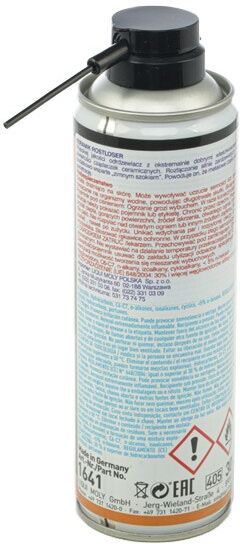
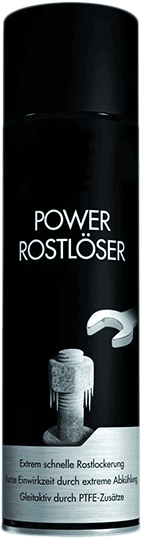
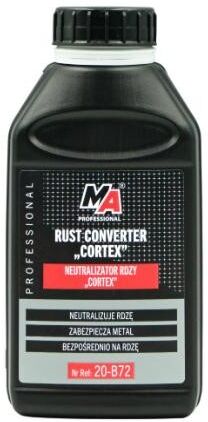
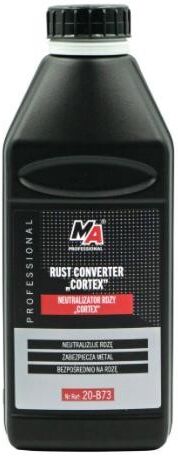
Products related to Solvent Water:
-
Is the existing glaze water-based or solvent-based?
The existing glaze is water-based. This can be determined by checking the product label or Material Safety Data Sheet (MSDS) for the glaze, which should specify whether it is water-based or solvent-based. Additionally, water-based glazes are typically easier to clean up with water and have a milder odor compared to solvent-based glazes. **
-
Is the existing stain water-based or solvent-based?
To determine if the existing stain is water-based or solvent-based, you can perform a simple test. Apply a small amount of water to the stained surface and rub it gently. If the stain starts to dissolve or smudge, it is likely water-based. If the stain remains intact, it is probably solvent-based. Additionally, you can check the product label or manufacturer's instructions for information on the type of stain used. **
-
What consequences does water as a solvent have in aquaristics?
Water as a solvent in aquaristics has several consequences. It helps dissolve essential nutrients and minerals that aquatic plants and animals need to thrive. However, it can also dissolve harmful substances like ammonia and nitrates, which can be toxic to aquatic life if not properly managed. Additionally, water as a solvent can affect the pH levels of the aquarium, influencing the overall health and well-being of the inhabitants. Therefore, it is crucial for aquarists to monitor and maintain water quality to create a healthy environment for their aquatic pets. **
-
Can you use solvent-based paint over water-based primer?
Yes, you can use solvent-based paint over water-based primer. However, it is important to ensure that the water-based primer has fully dried before applying the solvent-based paint. Additionally, it is recommended to lightly sand the primer before applying the solvent-based paint to ensure proper adhesion. Always follow the manufacturer's recommendations for compatibility between different types of paint and primer. **

What are the consequences of water as a solvent in aquaristics?
Water as a solvent in aquaristics has several consequences. Firstly, it allows for the dissolution of essential minerals and nutrients, which are necessary for the health and growth of aquatic plants and animals. However, it also means that water can easily become contaminated with pollutants and toxins, posing a threat to the inhabitants of the aquarium. Additionally, the solvent properties of water can lead to changes in pH and water hardness, which can impact the overall water quality and the well-being of the aquatic ecosystem. Therefore, it is important for aquarists to carefully monitor and maintain the water chemistry to ensure a healthy and thriving aquarium environment. **
Should aluminum be painted with water-based or solvent-based paint?
Aluminum can be painted with both water-based and solvent-based paints, but the choice depends on the specific application and environmental considerations. Water-based paints are more environmentally friendly and have lower levels of volatile organic compounds (VOCs), making them a better choice for indoor applications or areas with strict environmental regulations. On the other hand, solvent-based paints may provide better adhesion and durability, making them suitable for outdoor applications or areas with high exposure to harsh conditions. Ultimately, the decision should be based on the specific requirements of the project and the environmental impact of the chosen paint. **
Top-Angebote
Products related to Solvent Water:
-
What is water as a solvent?
Water is considered a universal solvent because it has the ability to dissolve a wide variety of substances. This is due to its polar nature, with the oxygen atom having a slight negative charge and the hydrogen atoms having a slight positive charge. This polarity allows water to interact with and dissolve other polar or charged molecules, such as salts, sugars, and some proteins. Water's ability to dissolve so many different substances makes it essential for many biological and chemical processes. **
-
Is the solvent heavier or lighter than water?
The solvent is heavier than water. This is because the solvent has a higher density compared to water, which means that it weighs more per unit volume. As a result, the solvent will sink in water rather than float on top of it. **
-
Is the existing glaze water-based or solvent-based?
The existing glaze is water-based. This can be determined by checking the product label or Material Safety Data Sheet (MSDS) for the glaze, which should specify whether it is water-based or solvent-based. Additionally, water-based glazes are typically easier to clean up with water and have a milder odor compared to solvent-based glazes. **
-
Is the existing stain water-based or solvent-based?
To determine if the existing stain is water-based or solvent-based, you can perform a simple test. Apply a small amount of water to the stained surface and rub it gently. If the stain starts to dissolve or smudge, it is likely water-based. If the stain remains intact, it is probably solvent-based. Additionally, you can check the product label or manufacturer's instructions for information on the type of stain used. **
Similar search terms for Solvent Water
-
Isabelle & Max Metal Bunk Bed,Space Saving Bed Frame BlackStable load-bearing capacity, safe and secureAdopting a thickened steel pipe frame and reinforced bed support structure, the upper bunk can bear up to 200kg of weight, and the lower bunk can bear up to 250kg of weight. There are raised guardrails around to prevent falling during sleep, and the ladder is designed with anti slip pedals for safer access to and from the bed. Space saving design, adaptable to multiple scenariosThe bunk structure can accommodate 2 people for sleep, with sufficient storage space reserved at the bottom for storage boxes, suitcases, and other items. Especially suitable for small-sized bedrooms, student dormitories, staff apartments, and children's rooms, easily solving the problem of insufficient space.. Silent and slip resistant, enhance sleep experienceThere is an anti slip silent pad between the bed frame and the bed board, effectively reducing friction noise when turning over. The bed feet are equipped with anti slip foot pads to prevent the bed from sliding and protect the floor from scratches.. Simple and modern, versatile styleMatte black is a textured design with simple and clean lines, making it easy to match with various home styles such as Nordic, modern simplicity, and industrial style. Without the need for additional decoration, it can become a practical aesthetic in the room.. Quick assembly, paint free and environmentally friendlyAdopting a relaxed nut design, with detailed instructions and accessory kit, assembly can be completed in about 1-2 hours per person. The metal surface adopts environmentally friendly spray painting technology, with no odor or formaldehyde, and can be used with confidence after installation.. Brand Name: Isabelle & Max.303,99 £*Shipping: 0,00 £Secure redirect to the provider
-
What consequences does water as a solvent have in aquaristics?
Water as a solvent in aquaristics has several consequences. It helps dissolve essential nutrients and minerals that aquatic plants and animals need to thrive. However, it can also dissolve harmful substances like ammonia and nitrates, which can be toxic to aquatic life if not properly managed. Additionally, water as a solvent can affect the pH levels of the aquarium, influencing the overall health and well-being of the inhabitants. Therefore, it is crucial for aquarists to monitor and maintain water quality to create a healthy environment for their aquatic pets. **
-
Can you use solvent-based paint over water-based primer?
Yes, you can use solvent-based paint over water-based primer. However, it is important to ensure that the water-based primer has fully dried before applying the solvent-based paint. Additionally, it is recommended to lightly sand the primer before applying the solvent-based paint to ensure proper adhesion. Always follow the manufacturer's recommendations for compatibility between different types of paint and primer. **
-
What are the consequences of water as a solvent in aquaristics?
Water as a solvent in aquaristics has several consequences. Firstly, it allows for the dissolution of essential minerals and nutrients, which are necessary for the health and growth of aquatic plants and animals. However, it also means that water can easily become contaminated with pollutants and toxins, posing a threat to the inhabitants of the aquarium. Additionally, the solvent properties of water can lead to changes in pH and water hardness, which can impact the overall water quality and the well-being of the aquatic ecosystem. Therefore, it is important for aquarists to carefully monitor and maintain the water chemistry to ensure a healthy and thriving aquarium environment. **
-
Should aluminum be painted with water-based or solvent-based paint?
Aluminum can be painted with both water-based and solvent-based paints, but the choice depends on the specific application and environmental considerations. Water-based paints are more environmentally friendly and have lower levels of volatile organic compounds (VOCs), making them a better choice for indoor applications or areas with strict environmental regulations. On the other hand, solvent-based paints may provide better adhesion and durability, making them suitable for outdoor applications or areas with high exposure to harsh conditions. Ultimately, the decision should be based on the specific requirements of the project and the environmental impact of the chosen paint. **
* All prices are inclusive of VAT and, if applicable, plus shipping costs. The offer information is based on the details provided by the respective shop and is updated through automated processes. Real-time updates do not occur, so deviations can occur in individual cases. ** Note: Parts of this content were created by AI.